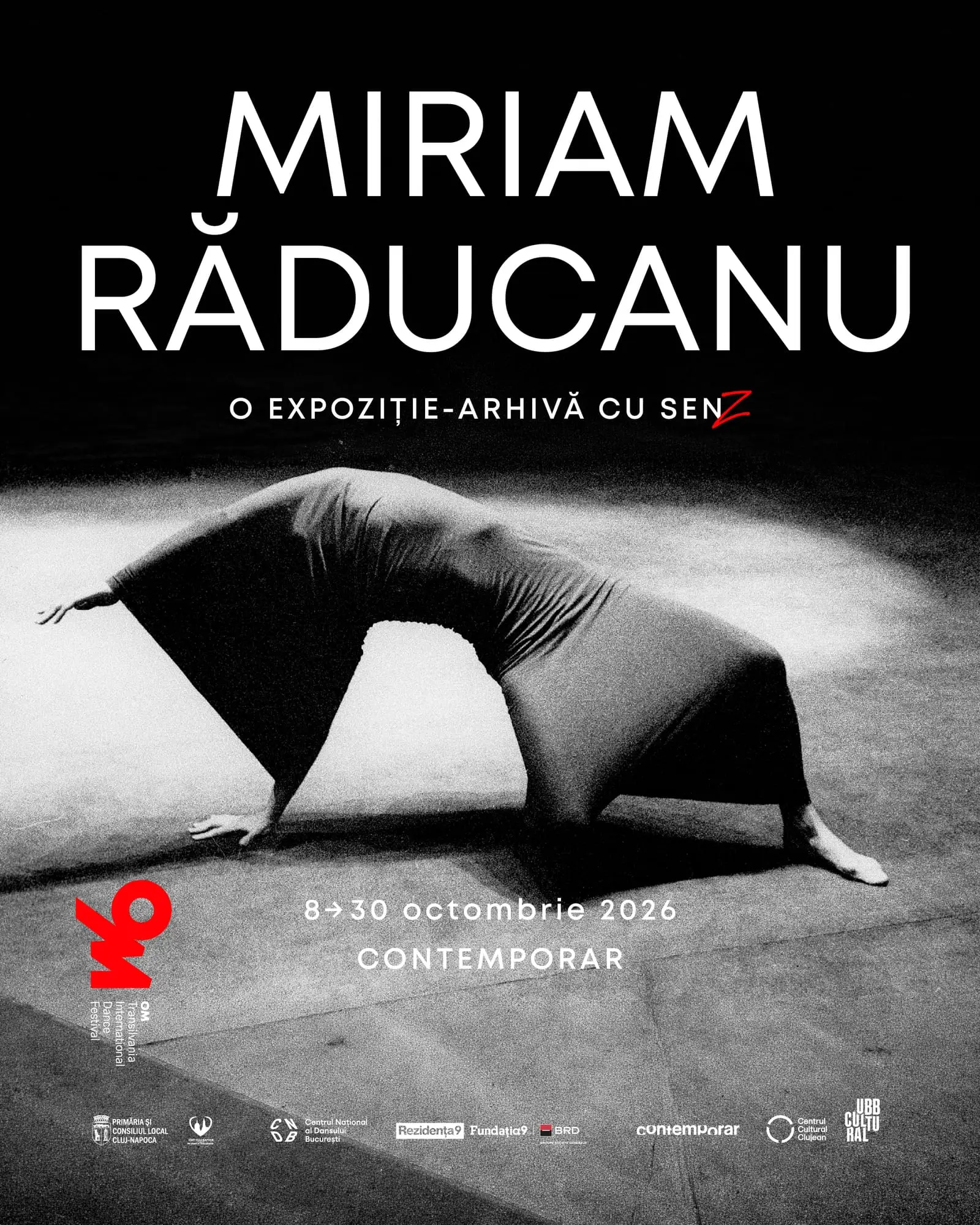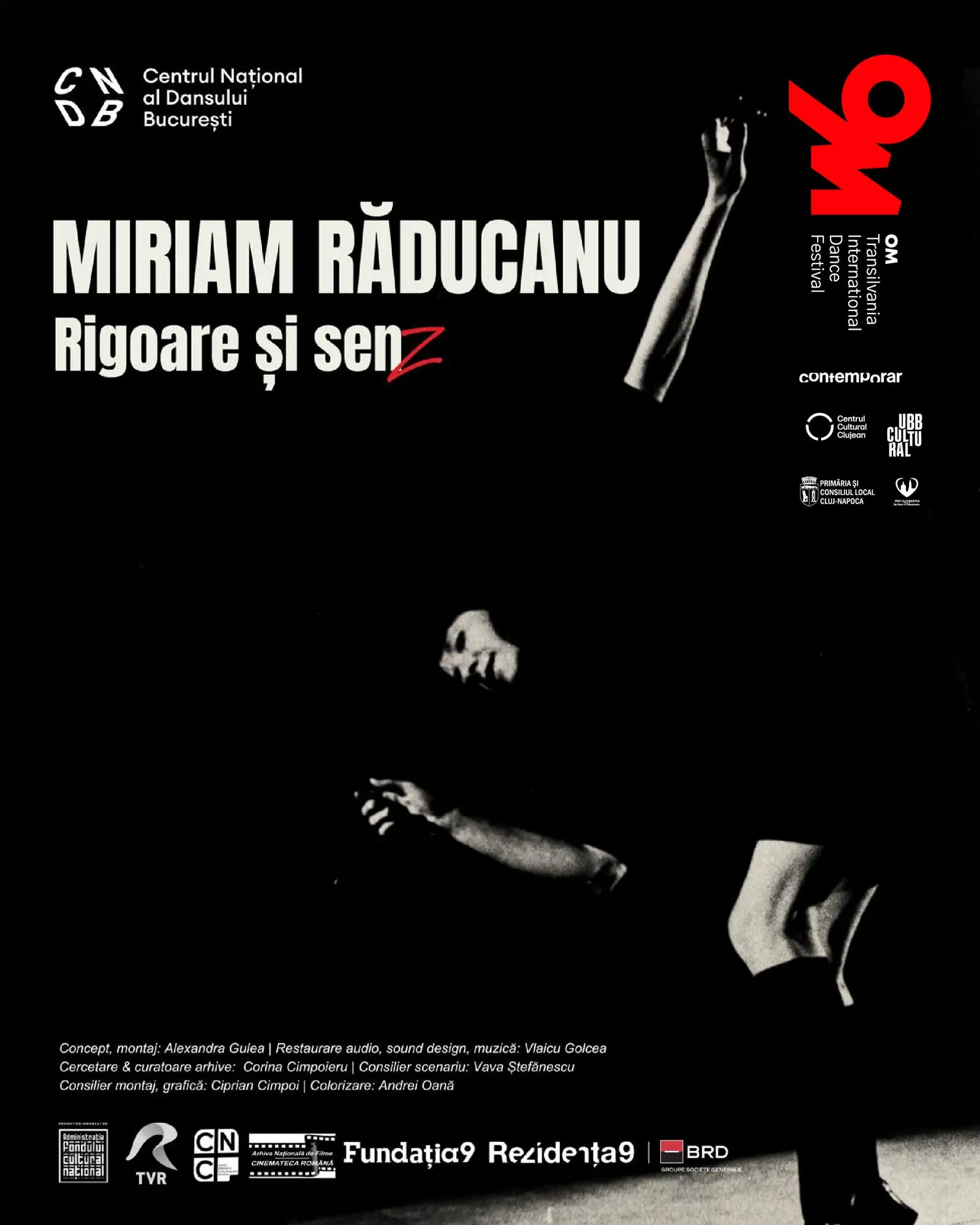
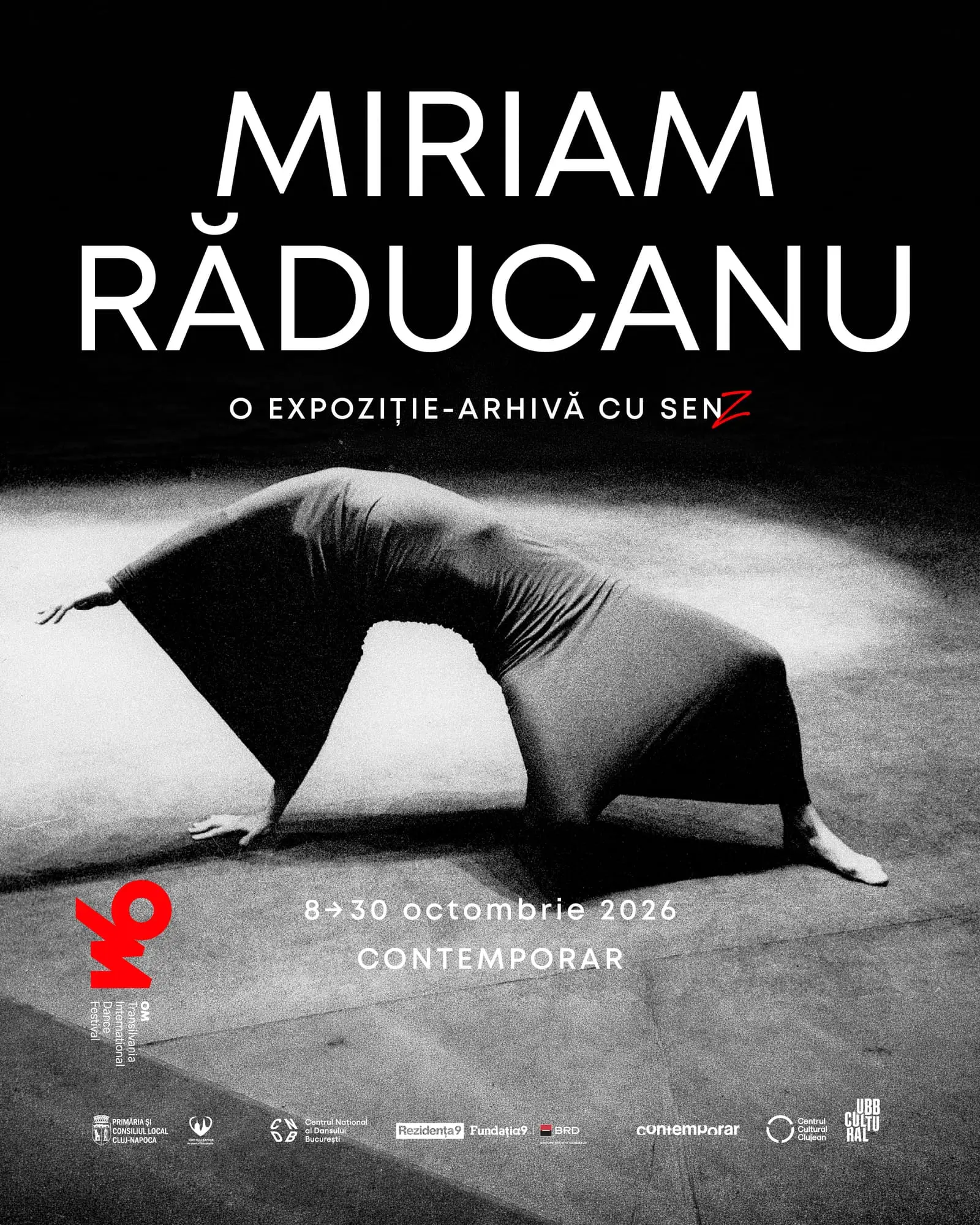
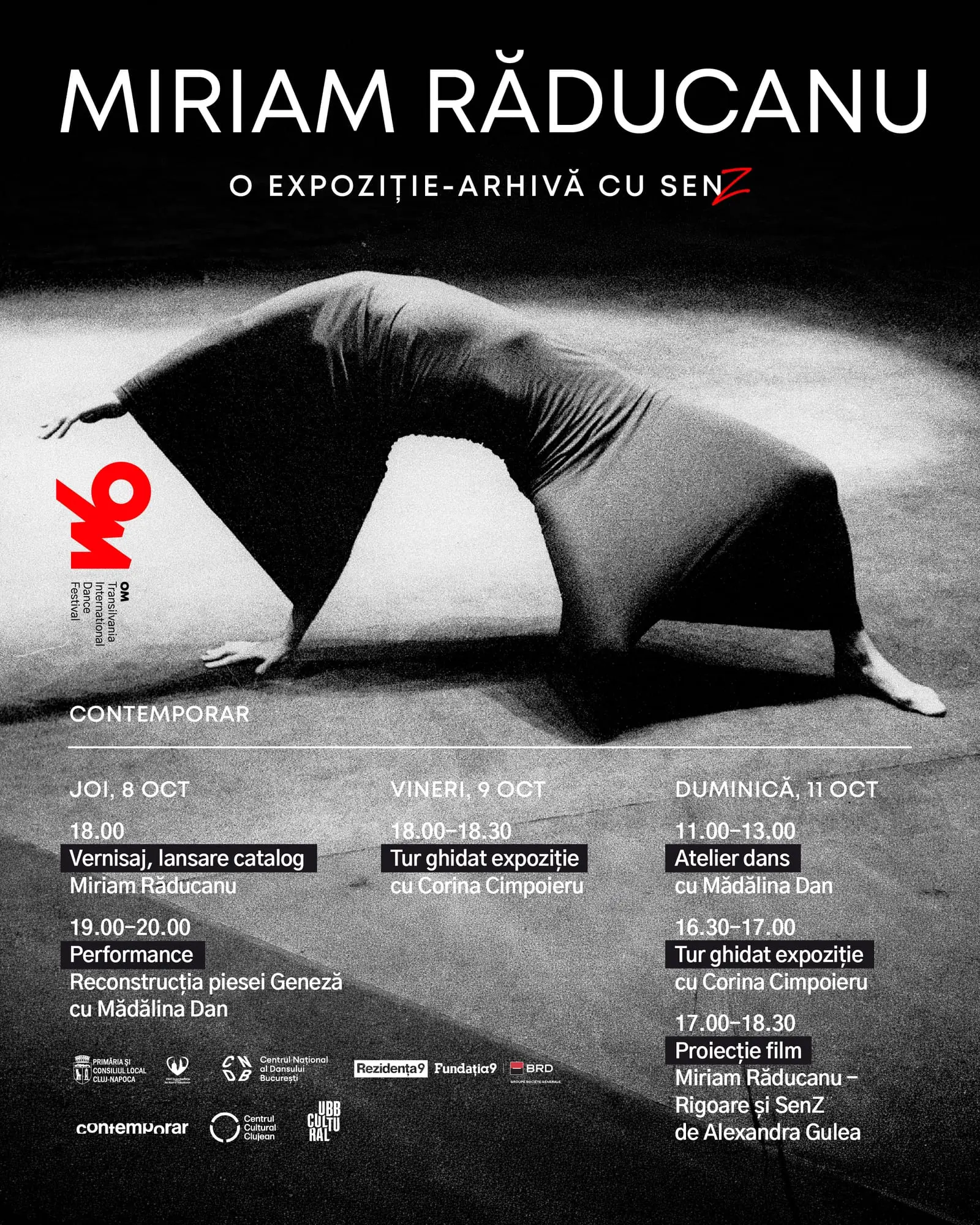
Miriam Răducanu - archival exhibition with SenZ
Miriam Răducanu
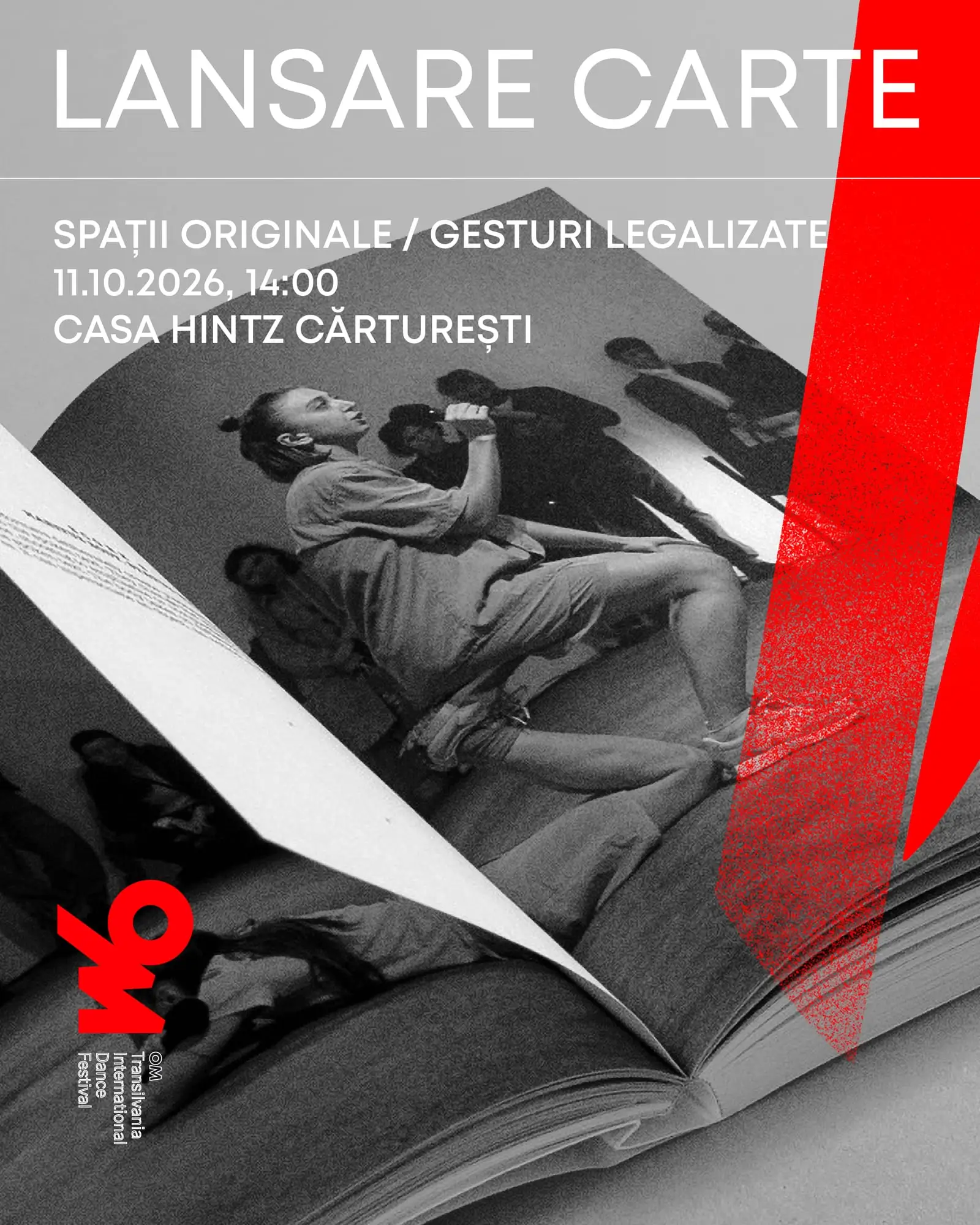
Catalogue launch → free entry
The exhibition remains open until 30 October 2026
“For me, the art of dance was never, not even for a moment, separate from senZ.”
— Miriam Răducanu
“One word that constantly comes up when working with Miriam is senZ. With a ‘Z’. That particular way of ‘saying it’ was, perhaps unconsciously on her part, a revealing combination of two concepts: senS - meaning, but also direction, vector - and senZație, sensation; and, why not, senZualitate, sensuality…”
— Gigi Căciuleanu
The exhibition is a reenactment of the archive that dancer and choreographer Miriam Răducanu leaves behind, with senZ, through photographic and video documents, interviews, and the memories of those who danced with her, learned from her or encountered her as spectators. To search for senZ within Miriam Răducanu’s archive means, first and foremost, to rediscover the original meaning of what Miriam pursued throughout her creative work, while also revealing aspects related to the ephemeral and fragile nature of what remains after dance, the role of archives in dancers’ lives, and their potential in the present for new generations. These documents are not merely traces; when researched, they become steps charged with senZ.
The exhibition traces the choreographer’s artistic journey across half a century and, for the first time, brings together photographic and video documents recovered from Romanian public archives as well as from the private archives of those who collaborated with Miriam Răducanu from the 1960s to the present day, including Gigi Căciuleanu, Raluca Ianegic, Liana Tugearu and Ioan Tugearu, alongside materials from the choreographer’s personal archive.
To dedicate an exhibition to Miriam Răducanu today means making the gesture of inscribing her within the lineage of modern dance. It means looking at her kaleidoscopically, through different research perspectives which, rather than attempting to reveal her artistic achievements exhaustively, seek to reflect on her artistic trajectory and to understand how her work has continually opened breaches in the established order of things and bodies, both in dance and in theatre.
It also means recognizing that the act of looking back is always charged with the present. Recovering the multiple fragments of meaning within Miriam Răducanu’s work reveals their resonance with what remains profoundly alive in dance today: its artistic and critical dimensions, the vitality of the performative gesture and the thinking behind it.
Following this approach, the exhibition is structured around the worlds that Miriam Răducanu opened up rather than around a chronological sequence of artistic events. Miriam Răducanu belongs to the infinite library of choreographic art, indispensable to any continuation of today’s performing arts.
The exhibition is the result of monographic archival research and a series of projects dedicated to reactivating choreographic cultural heritage around dancer and choreographer Miriam Răducanu. These have been developed over the past 15 years through individual and collective projects consistently supported by the National Center for Dance Bucharest (CNDB), with the aim of recovering and reactivating her artistic and pedagogical trajectory.
The exhibition was produced by the National Center for Dance Bucharest in partnership with Rezidența9 | BRD in 2024, on the occasion of the artist’s centenary. On October 17, 2026, Miriam Răducanu will celebrate her 102nd birthday.
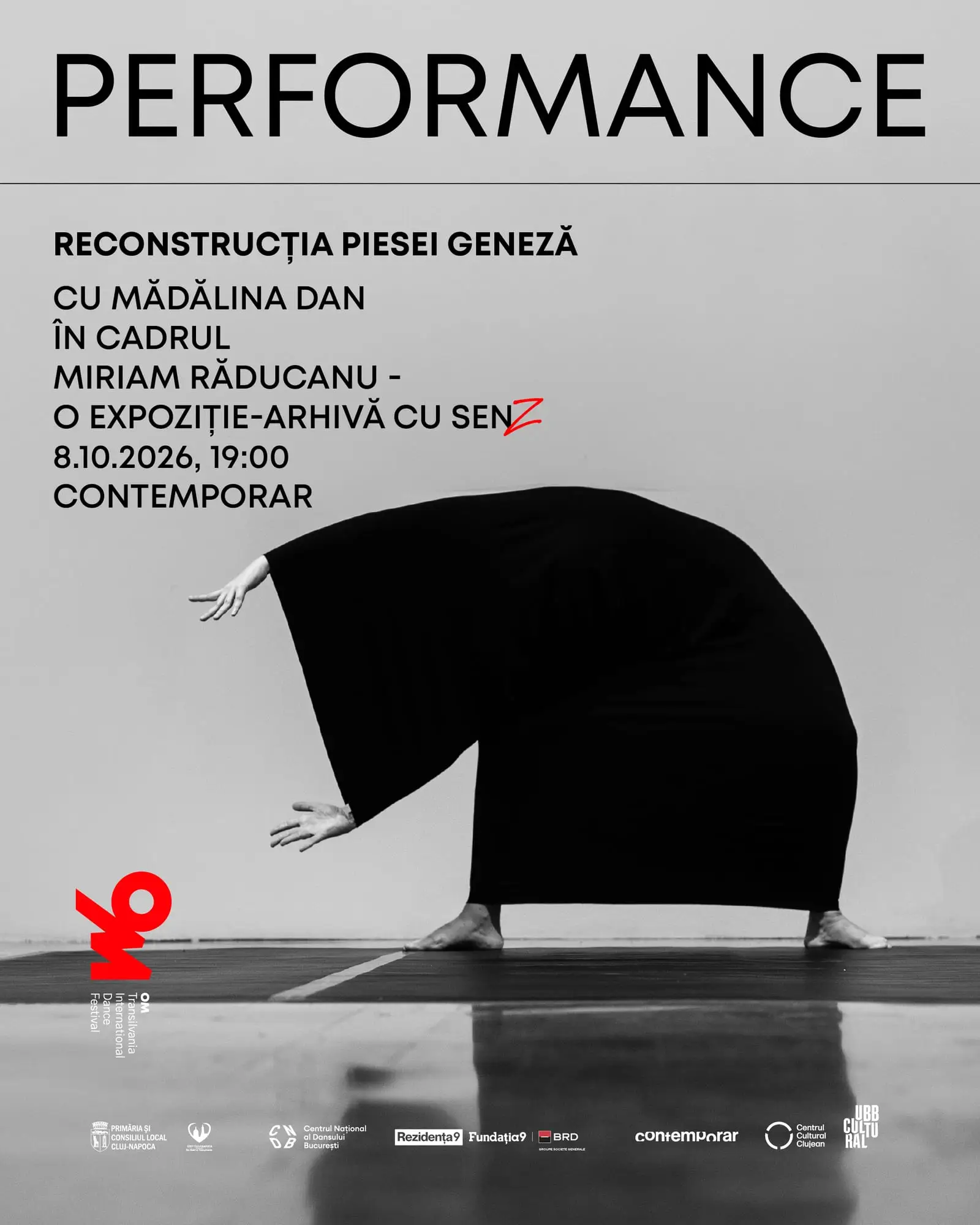
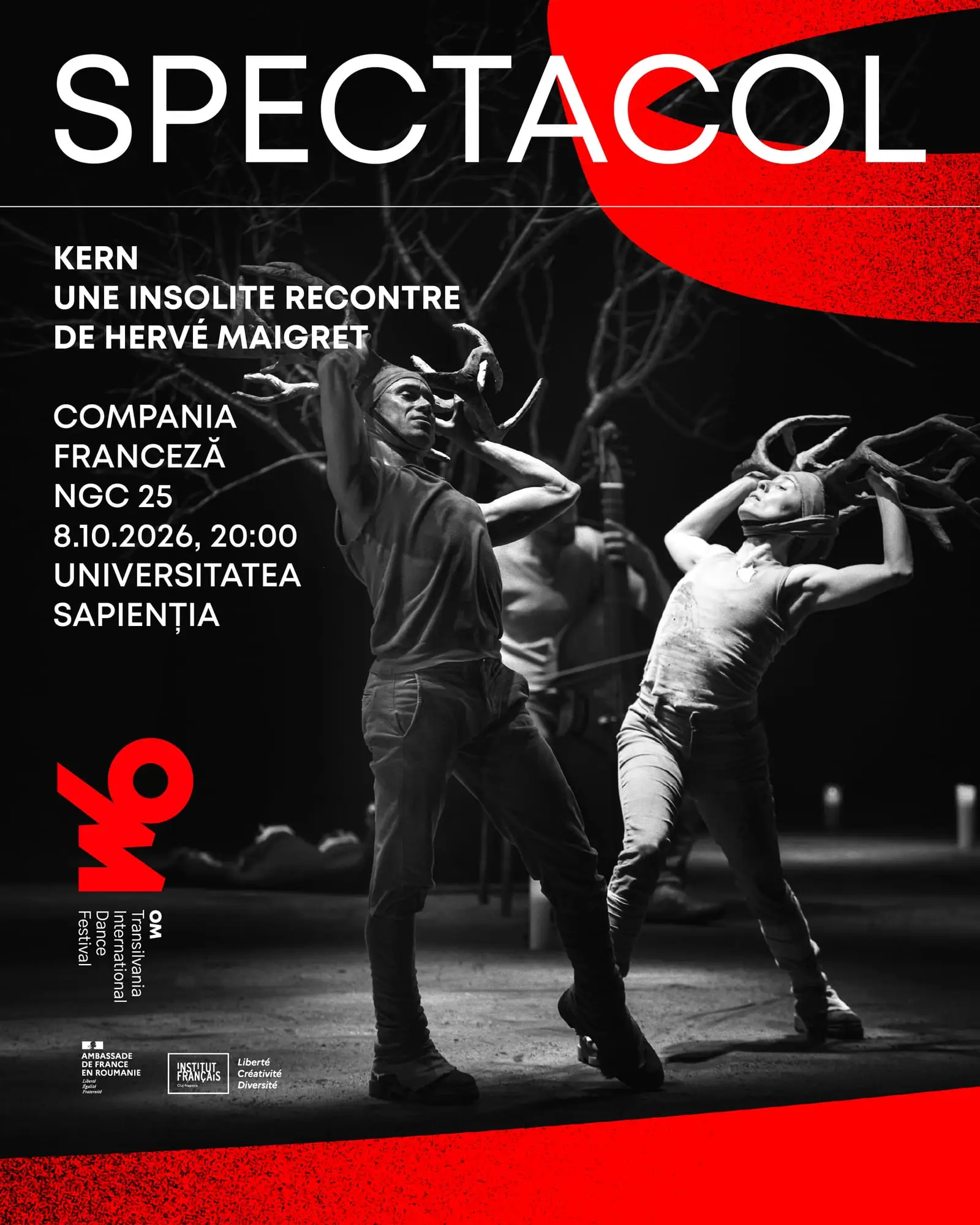
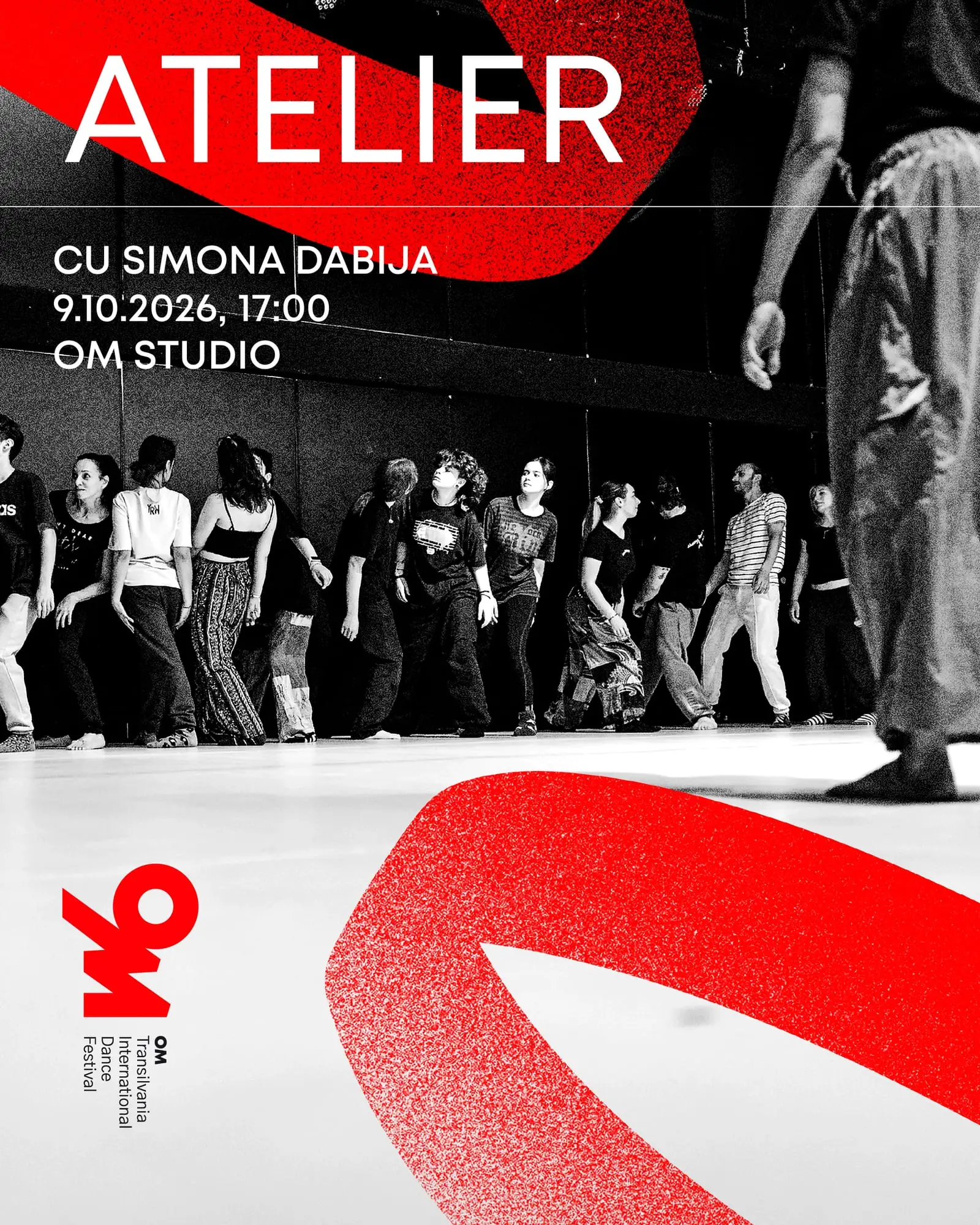
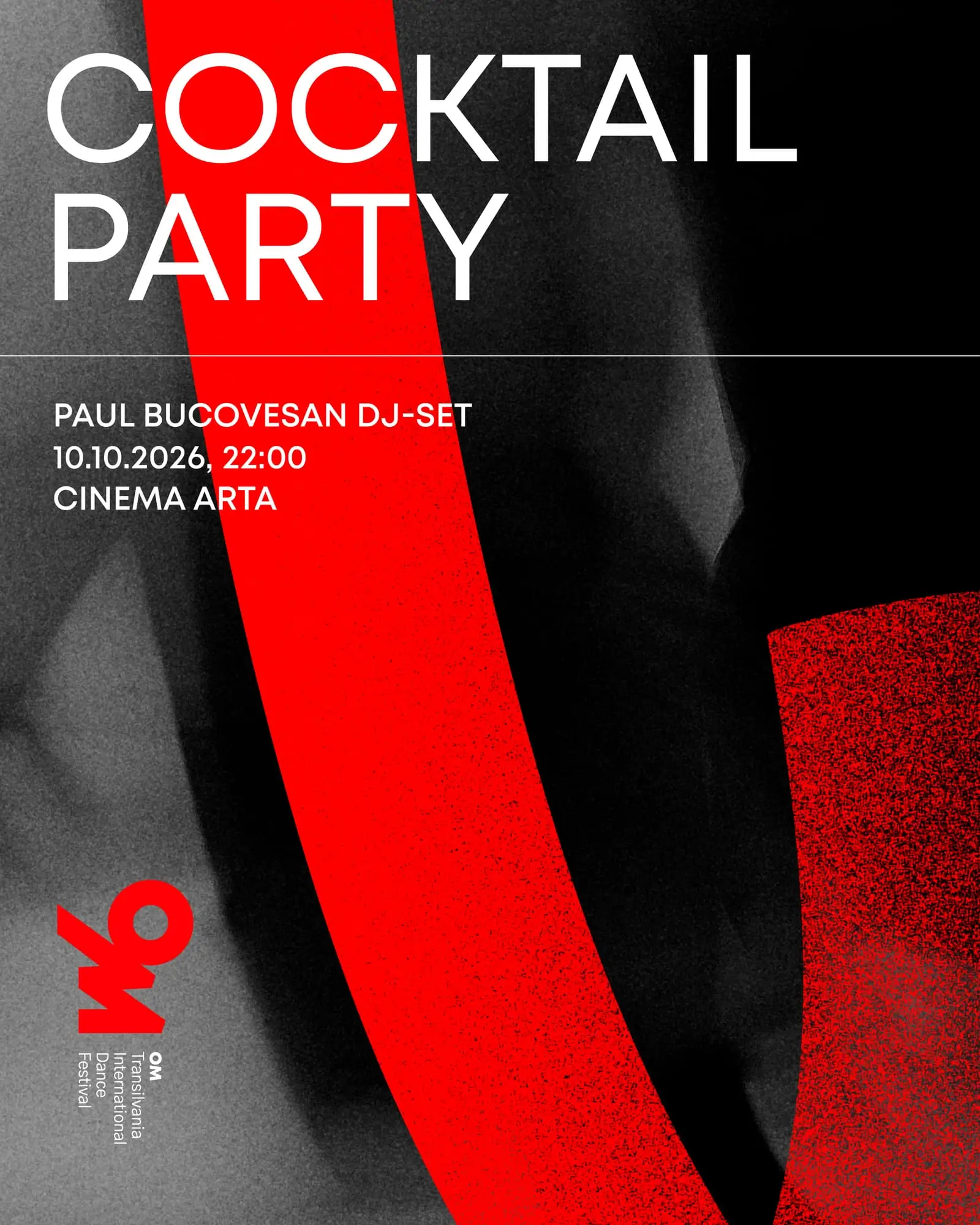
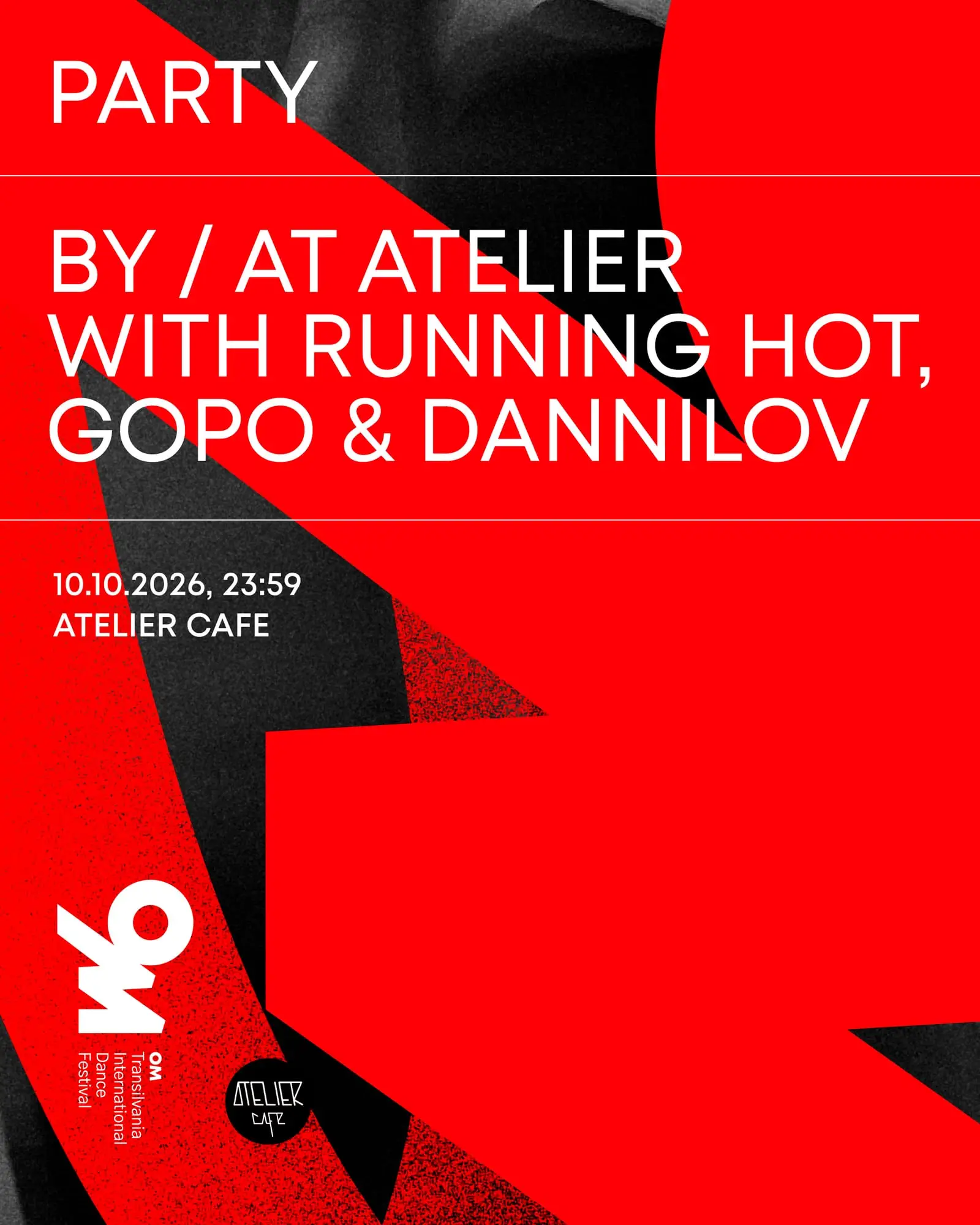
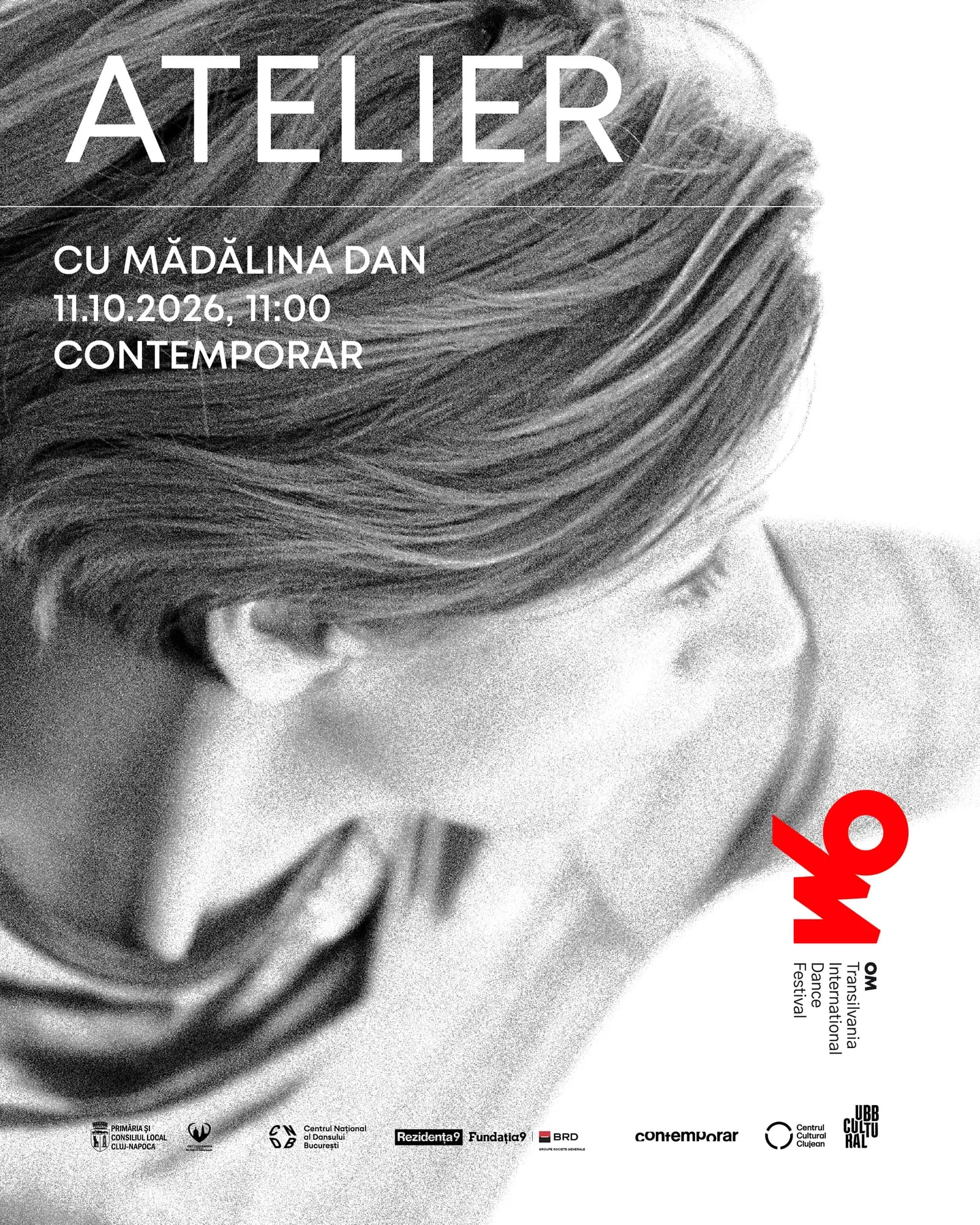
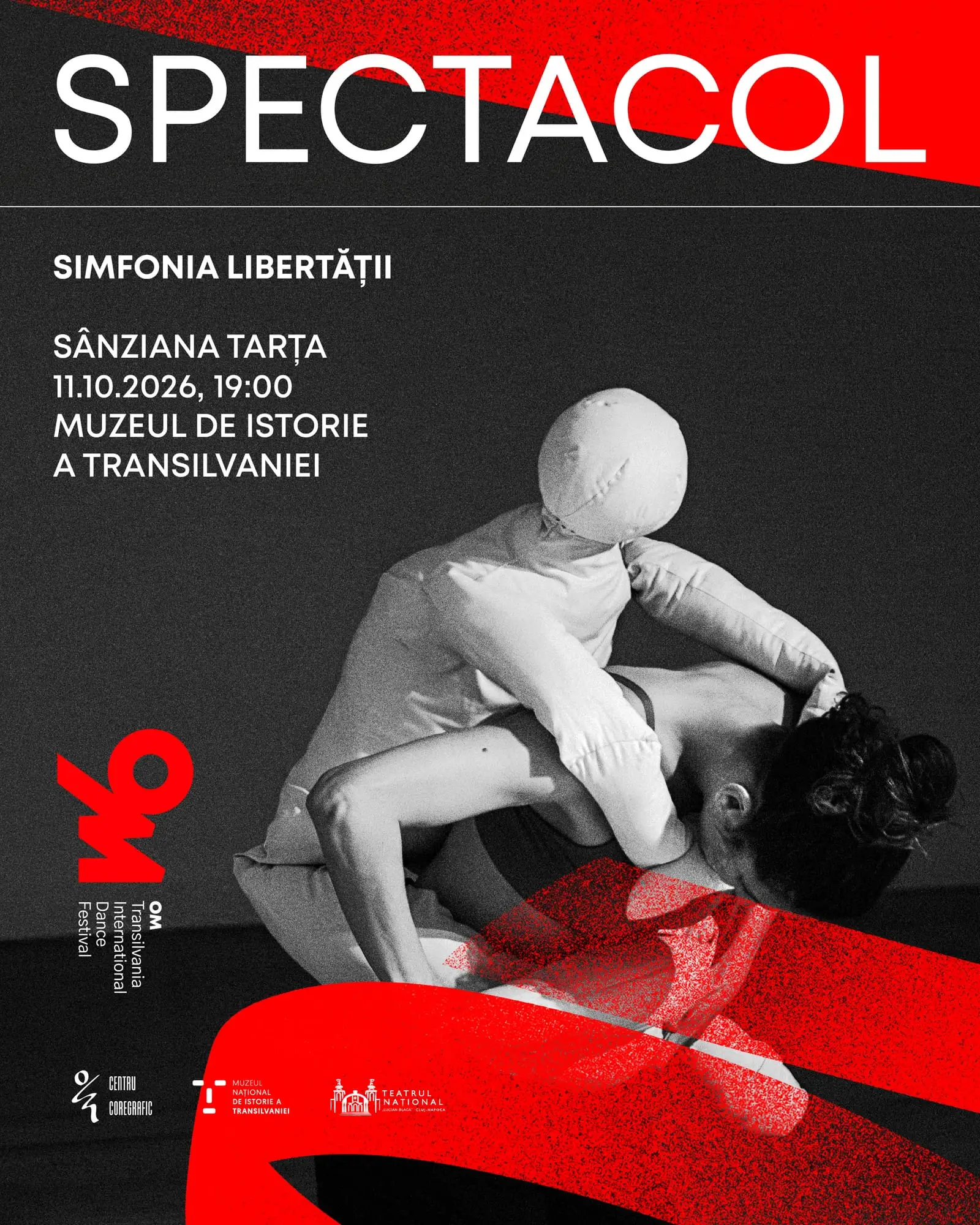
During the festival, from October 8 to 11, the public will be able to take part in a series of events held within the exhibition: a catalogue launch, a performance, guided tours, a dance workshop and a special film screening.
The exhibition will tour to Cluj for the first time on October 8. Its opening will also include the launch of the exhibition catalogue, in the presence of its coordinator Corina Cimpoieru, researcher and coordinator of the CNDB Media Library and Archive, and curator Suzana Dan, Artistic Director of Rezidența9 / Fundația9 | BRD.
The exhibition opening also marks the opening of the festival, and the exhibition will remain open to the public until October 30, 2026.
Miriam Răducanu
Born in 1924 in Piatra Neamț, Miriam Răducanu is considered one of the most influential Romanian artists, dancers, and choreographers. Her choreographic work fundamentally redefined the vocabulary of contemporary dance in Romania, exploring the essentialisation of movement and a dynamic, non-hierarchical relationship between the arts, thereby broadening the notion of dance as a space of syncretism and dialogue between dancers, musicians, poets, and actors.
Drawing on working principles rooted in German Expressionism, alongside multiple sources from Romanian folklore, literature, and theatre, her performative constructions reintegrate classical music and jazz in innovative ways.
In 1968, at the invitation of Margareta Niculescu, she initiated a performance programme as part of the Nocturnele 9 ½ series, hosted by the Țăndărică Theatre. Works created within the framework of the Nocturnele were presented on international tours in Beirut, Edinburgh, Rome, Santiago de Chile, Brussels, Berlin, and Cologne between 1969 and 1977.
Miriam Răducanu also played an important role in the rediscovery of the actor’s physicality on stage through her contributions to theatre. A mentor and teacher to several generations of dancers, she left a lasting mark on choreographic pedagogy, teaching primarily at the “Floria Capsali” High School of Choreography in Bucharest.
- Curators: Corina Cimpoieru, Suzana Dan
- Festival Director: Oana Mureșan
- Visual Identity: Vlad Sulea
- Communication: Andra Lazăr, Iulia Pascaru; on behalf of CNDB: Raul Coldea, Anca Truțeskov; on behalf of Rezidența9: Oana Dobre and Laurențiu Paraschiv
- Special thanks: Corina Bucea, Paul Stoie from Contemporar
Co-producers: National Center for Dance Bucharest (CNDB), Rezidența9 / Fundația9 | BRD, OM Choreographic Center.
In partnership with Cluj Cultural Centre, Contemporar, UBB Cultural.
The project was carried out with the support of Cluj-Napoca City Hall and the Local Council.